
Mari-Golden Nostalgia
Revisiting Mira Nair’s Monsoon Wedding

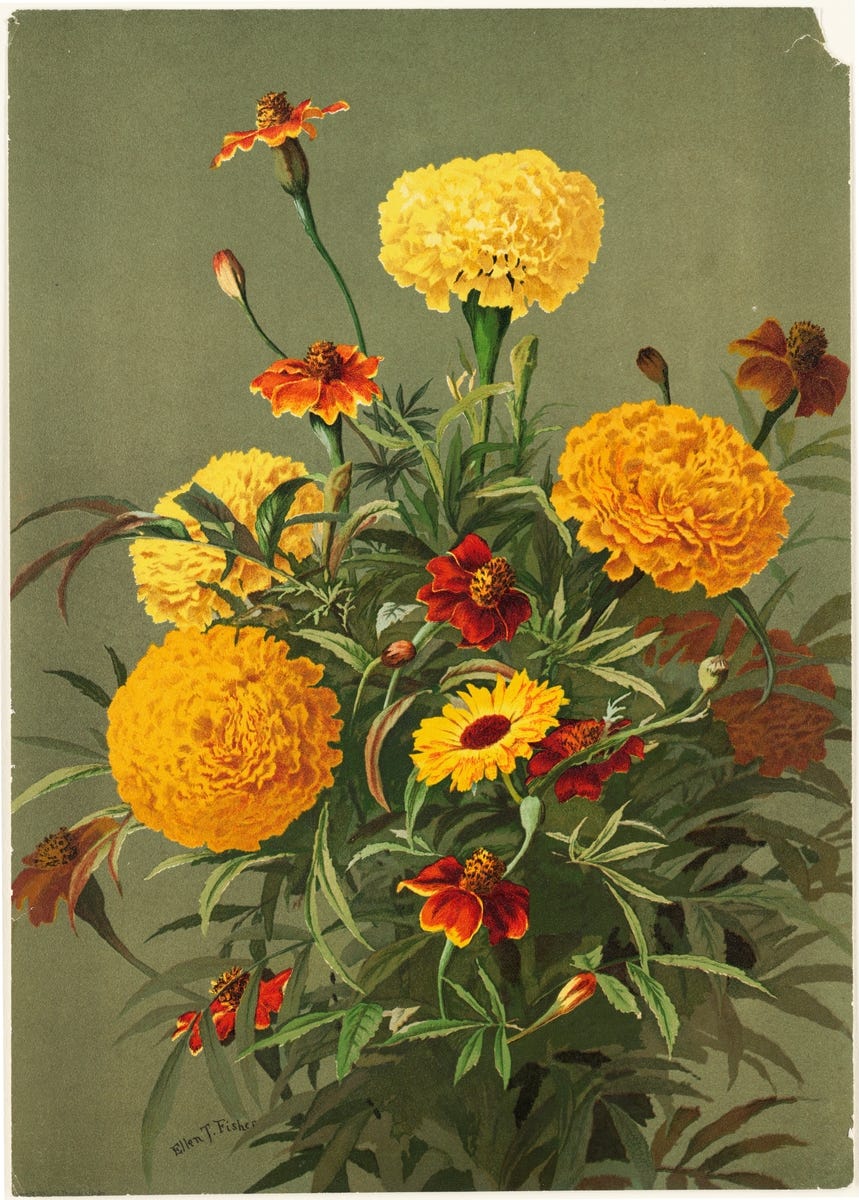
What is nostalgia made of? Nani’s house in the summer – Nanu tending to his plants, the constant hustle bustle of a big house (filled with more people sometimes than it can accommodate), 6pm tea (preparation of which would start at 5:45pm) post the afternoon nap, a hedge of mehendi plant outside, marigold swaying in a golden sunset against the backdrop of the preferred game of lazy adults who hardly sway to keep the badminton shuttle afloat and the smell of incense sticks lingering from the mandir where Nani has concluded her evening pooja.
Now add to this a wedding – the patriarch of the family, with his diary, checking the arrival and departure of every guest, the eldest daughter ensuring everyone’s clothes are picked from the boutique and the beloved son booking venues and vendors. The house characterized with an occasional meltdown but a thousand laughters echoing in the hall. Outside, the fairy lights up before Diwali signifying that this was ‘a shaadi wala ghar’ (a house with a wedding). In other words, a mad house.
Mira Nair’s Monsoon Wedding (2001) is a film made of nostalgia; relatable and comforting at once. Set in Delhi, (the Delhi of my childhood with a yellowed Connaught Place in grainy film and less than half the traffic you see now) the themes that the film sheds light on still stand relevant, 24 years after its release (as do most shops you can spot in Connaught Place in the film). In a time where the norm were Sooraj Barjatiya movies with their questionable portrayal of ‘traditional’ families that upheld and applauded gender roles, Monsoon Wedding was a breath of fresh air.
The film addresses many uncomfortable moments that most families leave untouched, that too against the complex backdrop of a wedding. It has themes that are often uncomfortable to speak of such as infidelity, child sexual abuse and the financial strain that families may face while arranging a wedding ceremony. Yet it handles them with the kind of grace and sophistication that do not belittle these issues even as the comedic elements of the film continue to please the audience.
It is the story of an arranged marriage between Aditi Verma (Vasundhara Das) and Hemant Rai (Parvin Dabbas), simple yet engaging, with a solid ensemble cast each having an exciting storyline of their own. The wedding day, in a sense, exists only to give trajectory to the ensemble cast’s storyline, each unique and equally engaging. The film succeeds in showcasing the societal pressure which comes with hosting a wedding as Aditi’s father Lalit Verma (Naseeruddin Shah) tries to take a loan from his friend while playing golf. A subtle class commentary comes into the fore when the house help Alice (Tillotama Shome) ends up marrying the wedding planner Dubey (Vijay Raaz) on the same day as Aditi’s wedding.
The contrast between the two weddings stands evident. Aditi and Hemant’s, a lavish affair with preparations set in motion months in advance, while Alice and Dubey’s signified only by the tying of a mangalsutra on a bridge. Both the weddings are beautiful with a commonality – a background of torrential rain. The film does not preach simplicity, it simply nods to this contrast. It does not state one right from wrong, the characters in both weddings are as human and as raw as the other. However witnessing this contrast, one’s mind may question the opulence associated with weddings, bringing up the question – who is a wedding really for – the couple, the family, the relatives or the friends? But this is the climax, what makes the film enjoyable is the journey to the wedding.
Even as the film addresses how sexuality is tabooed but abuse is not, how gender roles prescribe a boy cooking for the family as effeminate, how instances of child sexual abuse are hushed, how single girls are pressured to get married and much more, it still creates a nostalgic blanket of shared experiences. Women decked up, pre-rituals performed, extended family sitting together, late at night, singing and laughing. Characterized by Declan Quinn’s cinematography, the fallen flowers and the raindrops add to the mystique of the film, drawing attention to the details of the nature of a quintessential shaadi wala ghar.
After multiple watches, I can still rewatch the film. And every single watch reminds me of a qissa from my own family’s wedding. It reminds me of the warm feeling of meeting my extended family after a long time, sitting together in a hall (the kids, huddled up, gleaming on the floor) and listening to a conversation where most sentences begin with one phrase – ‘remember the time when…’ So even as I sit thousands of miles away from home, across oceans, I am left with misty eyes and a smile remembering what once was.
—
Ambica Naithani is a zealous Bollywood cineaste based in India. She often re-views and reviews films that steal her heart. She is also a writer-when-writing (not swiper-no-swiping!) and has published her works in Journal of Creative Pursuits, In Plainspeak, and The Citizen.
Fun fact: Mira Nair, the director of Monsoon Wedding, is Zohran Mamdani’s mother, although LangLyang believes that Zohran Mamdani is Mira Nair’s son.
 | A guest post by
|
I really loved how you deep-dived into a single flower and let it carry so much meaning. It reminded me of old photo albums where one recurring image quietly anchors memory across time. That flower feels ever-present and resilient, as if a single plant could bloom endlessly, returning again and again in different moments, much like nostalgia itself.